First Light, Last Glow: Safe, Confident Miles on the Edges

Today we explore safety and navigation tips for sunrise and sunset hikes on the exposed edges of the Peak District, bringing practical preparation, calm decision-making, and light-savvy route choices together. From wind and weather to navigation in fading contrast, you’ll learn habits that protect your energy, keep partners close, and make golden-hour outings memorable for the right reasons. Pack intention alongside your headtorch, read the sky with patience, and let these field-tested insights help your next ridge walk feel quietly assured and deeply rewarding.

Dawn and Dusk Planning That Starts at Home

Morning and evening edges reward those who start with a clear, flexible plan. Check sunrise, sunset, and twilight windows, then shape a route that fits your pace, parking availability, and escape options. Consider east-facing dawn ridges and west-facing evening lines, allowing generous buffers for photographs and pauses. Share your intentions, pin grid references, and set turnaround times that honor changing light. The goal is not perfection, but a forgiving plan that bends without breaking when cloud, wind, or crowds ask for a kinder decision.

Know the Clock: Twilight Windows and Timings

Civil, nautical, and astronomical twilight each change how clearly edges and features appear against the moor. Civil usually gives enough ambient definition for safe footing, yet shadows still hide slick rock and peat hags. Note aspect: east-facing escarpments glow early, while western jaws ignite late. Build buffers around travel, parking, and photography so you never chase departing light. Arrive early, start calmly, and choose a return time that beats the darkness rather than gambles with it on the last exposed corner.

Route Shape: Out-and-Back Versus Loops on Escarpments

Out-and-back lines along Stanage, Bamford, or Curbar give simple navigation and easy turnarounds if wind or mist intensify. Loops can be gorgeous but may hide committing sections on peat tops or broken quarries as light drops. Keep bail-out options visible on your map, and place your car where finishing in the dark remains straightforward. When uncertain, favor a ridge promenade with distinct handrails, obvious return paths, and nearby walls or tracks, turning curiosity into confidence rather than a late scramble home by guesswork.

Kit Check the Night Before

Pack a reliable headtorch with fresh batteries, plus a backup, because sunrise starts and sunset finishes often slip darker than planned. Layer for windchill at exposed trig points, and include gloves that work with phones and maps. Carry a map, compass, and power bank, even if you trust your app. Add a small shelter or bothy bag, a warm drink, and a bright spare marker for visibility. Preparedness shrinks stress, calms group pacing, and frees attention for changing color and safe, steady steps.

Wind, Weather, and the Personality of Exposed Edges

Gritstone edges funnel wind and magnify gusts that appear tame on valley forecasts. Temperature slides quickly at first light and after sunset, turning damp air into bite. Inversions slip over Kinder, fog grips rim paths, and showers advance with startling speed. Learn how cornices linger in freeze-thaw cycles and how strong crosswinds unsettle balance on slabby corners. Dress to adjust without stopping long, and set personal wind limits. Respect the weather’s rhythms and your outing becomes breezy theatre, not a draining wrestle.

Navigation You Can Trust When Contrast Fades

As twilight deepens, edges flatten from sculpted grit into ambiguous silhouettes. Confident navigation keeps you on true lines across peaty tops and along broken scarps. Blend map and compass with digital tools, adding pacing, timing, and collecting features to build certainty. Handrails like walls, streams, and escarpments become friendly anchors when the glow retreats. Practise bearings in daylight so night movements feel familiar. This is less about heroics and more about consistent habits that turn dim light into steady, unhurried travel.

Footing, Edges, and Sensible Movement in Low Light
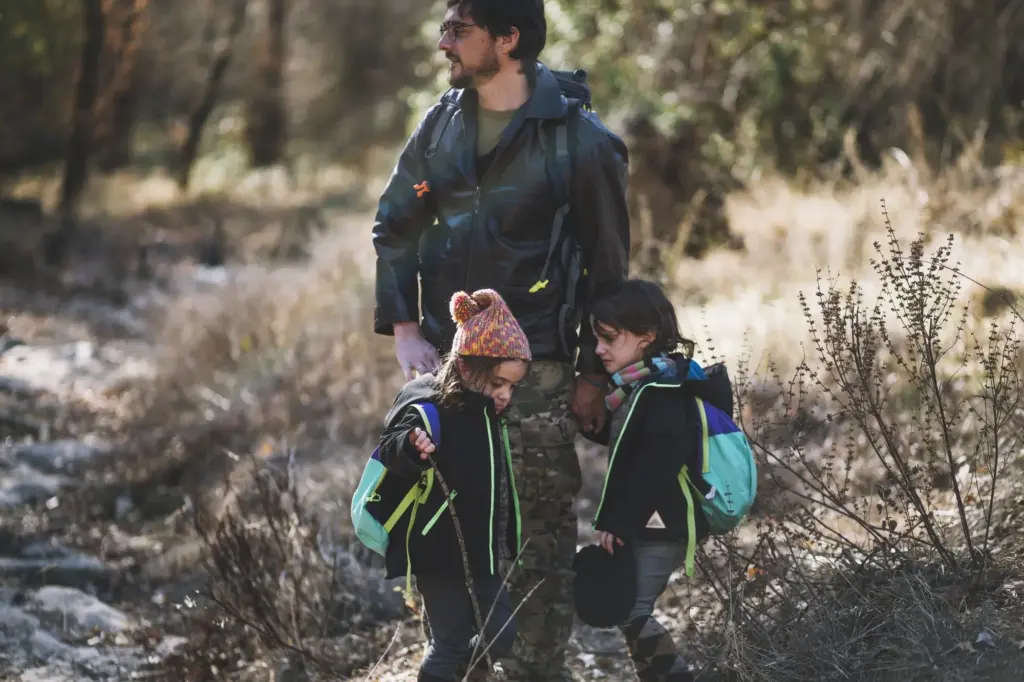
Gritstone grips beautifully when dry, yet dusk can slick the same slab with invisible moisture, lichen, or frost. Peat softens edges near Kinder, and small slips become bigger stories beside drops. Move like a climber on tricky corners: balanced, quiet, and patient. Trekking poles help only when planted deliberately. Keep spacing tight, communication warmer than the air, and pauses regular. Anticipate loose boulders, rabbit holes, and wind sways before they surprise you. Control speed, stack good decisions, and watch margins grow.

Emergency Readiness Without Fear

Preparation is an act of kindness to your future self, not an invitation to worry. Pack small but think clearly about what-if moments on exposed edges at uncertain light. Know how to call for help, keep warm, and describe your location with precision. Rehearse a simple protocol that slows panic and buys time. Carry a shelter, first aid basics, and a hot drink. These are tools for a quiet mind, ensuring that even surprises become manageable chapters rather than spirals you cannot unwind.

Leave It Better: Wild Places, Wildlife, and Community

Edges host ring ouzels, curlew, and grouse, plus fragile heather and peat that store carbon and soak rain. Early and late visits intersect with feeding, nesting, and roosting. Keep dogs close, tread kindly, and let quiet be part of the show. Share space with climbers and photographers, dim headtorches when passing, and avoid trampling new paths for a shot. Learn local restrictions and seasonal signage. When our curiosity moves with care, the land remains generous, and each return feels like a grateful conversation.

Seasonal Sensitivity on Gritstone Ridges

During nesting season, ring ouzels defend territories on broken edges, and ground-nesters hide among heather and tussock. Keep dogs leashed, choose solid lines, and pause at signage. In winter, saturated peat scars under heavy boots, so step on stone where possible. Summer dawns draw crowds; be an example of calm patience and minimal noise. Understanding these cycles transforms etiquette into reverence, protecting the birdsong and wildness that make first light feel like a privilege rather than a performance measured only by photographs.

Trail Etiquette While Chasing Color

Headtorches are tools, not beacons—dim when meeting others to preserve their night vision. Step aside on narrow edges for uphill walkers and climbers carrying racks. Avoid blocking classic viewpoints with sprawling gear. Pack out crumbs and coffee grounds along with obvious litter. Close gates gently and greet farmers. A smile and a small kindness help the next person experience the same hush you sought. Etiquette is simply shared safety and beauty, carried forward by dozens of small, thoughtful decisions each outing.

Join the Conversation

Share your favorite golden-hour routes, safe parking tips, and reliable turnarounds in the comments, and tell us what you pack that others might overlook. Subscribe for new field notes, printable checklists, and seasonal alerts. We welcome humble stories—quiet successes, honest stumbles, and clever fixes that spared a wobble. Together we refine the craft of unhurried edges, making each visit a little safer, kinder, and more spacious for everyone who wakes early or lingers late for the changing sky.

Ravonovizavomexozuno
Privacy Overview

This website uses cookies so that we can provide you with the best user experience possible. Cookie information is stored in your browser and performs functions such as recognising you when you return to our website and helping our team to understand which sections of the website you find most interesting and useful.